++++ UNDER CONSTRUCTION ++++
Budapest
Back in Budapest, I continue Leigh Fermor's route in the summer of 2026. In Budapest, he stays with Baron Tibor von Berg and becomes accepted into Hungarian aristocratic circles. He receives a borrowed chestnut horse called 'Malek'to cover part of the journey in southern Hungary. I pick up the story in "The Great Hungarian Plain," the third chapter of Between the Woods and the Water.
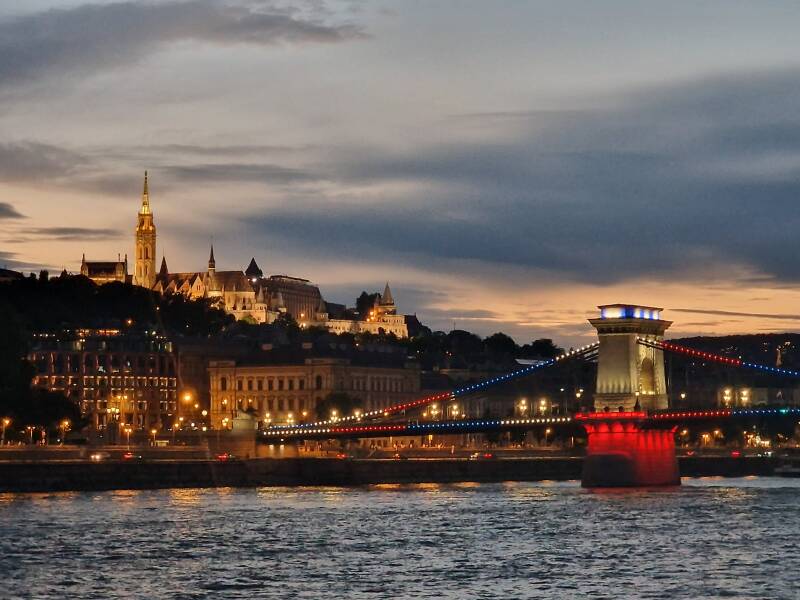
"Malek, a fine chestnut with a flowing mane and tail, one white sock, a blaze and more than a touch of Arab to his brow, was waiting by a clumb of acacias on the Cegléd road." "We picknicked under an oak then set off in opposite directions, they for Pest, I for Constantinople, looking back and waving until we were all out of sight."
Paddy describes picking up Malek on Cegléd Road (Ceglédi út), where he has to wait near a small grove of acacia trees. That grove serves, in a sense, as the transition between the outskirts of Budapest and the open *puszta*. The presence of these acacias is also historically fitting. Across the Hungarian Plain, *Robinia pseudoacacia* (black locust) trees were—and still are—widely planted as windbreaks along roads and railway lines, and as small groves on sandy soils. For a traveler leaving the city, such a cluster of acacias served as a landmark.
Photos below: The journey continues in Between the Woods and the Water, the second book in the trilogy about the journey from Hook of Holland to Constantinople. Cegledi Road still exists in Budapest, and—would you believe it—there is actually a small acacia grove at the beginning of this dusty road. Of course, it is unclear whether this is where the first meeting with Malek took place, but it is a lovely thought.


Albertirsa
"Sheep and swine and troops of cattle grazed across the middle distance, with a village every few miles. The one I had been warned about was Alberti-Irsa, this was the difficult stretch."
Over the past hundred years, this area has seen the expansion of agriculture and the draining of marshes. As a result, much nature has disappeared, but at the same time, parts of the area are currently protected to preserve the unique steppe landscape.
Photos below: Albertirsa was considered a difficult area for travelers because it lay in the middle of a vast, sparsely populated area of the Hungarian Plain with many bad dirt roads. Today, the landscape is primarily defined by grain fields and sunflowers, There is considerably less livestock than before.

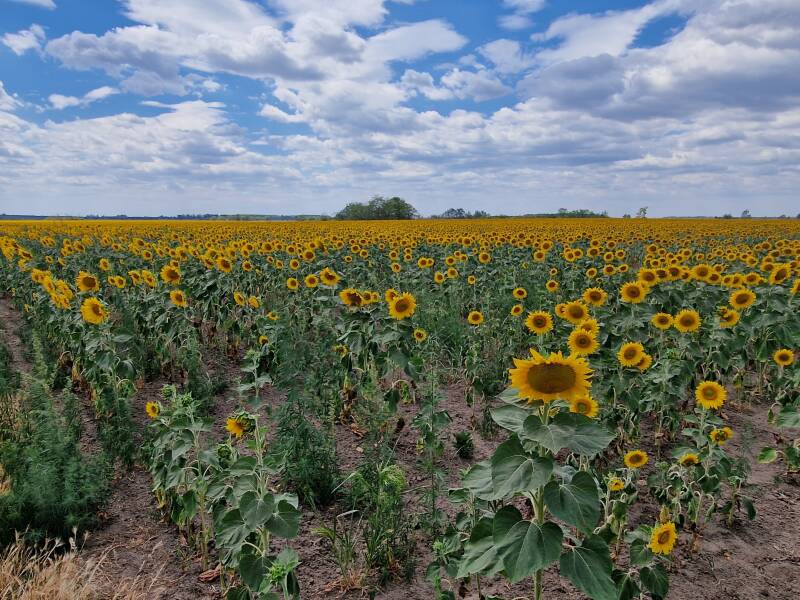
Szolnok
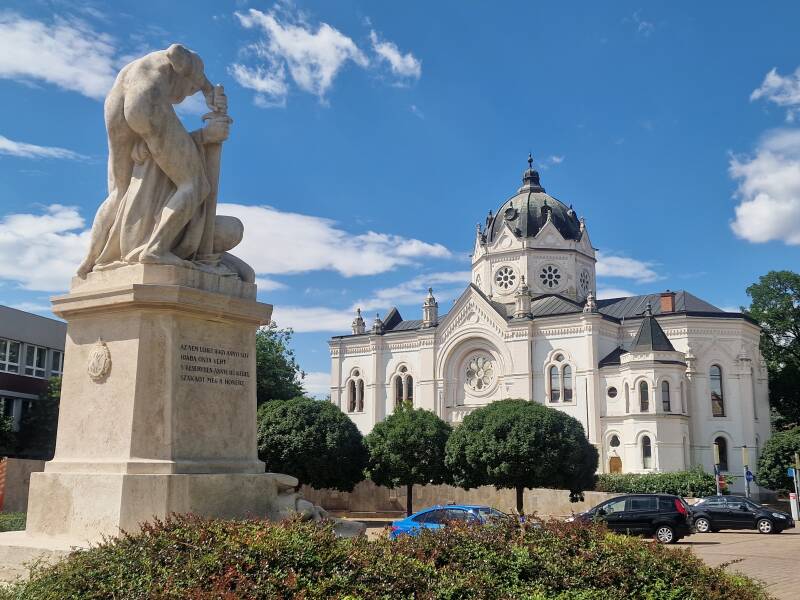
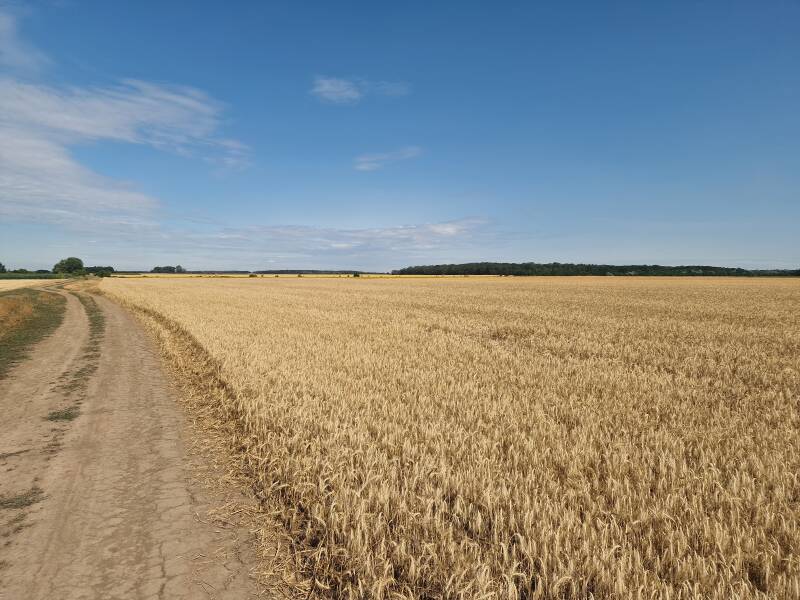
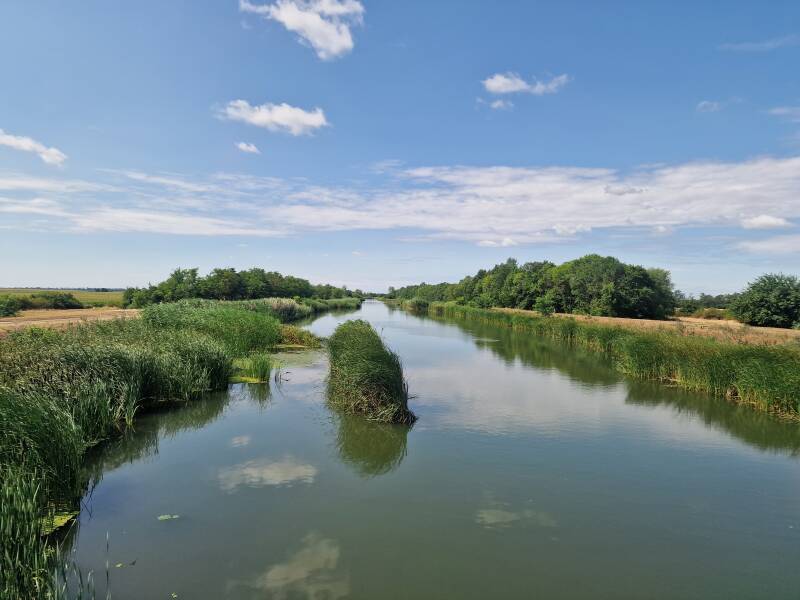
"Szolnok itself has left only a shadowy recollection. I remember trotting across the Tisza Breidge because I halted halfway over to watch a string of rafts coming downstream between great crowds of poplars that grew tall enough along the banks to give the illusion of a pale flickering forest."
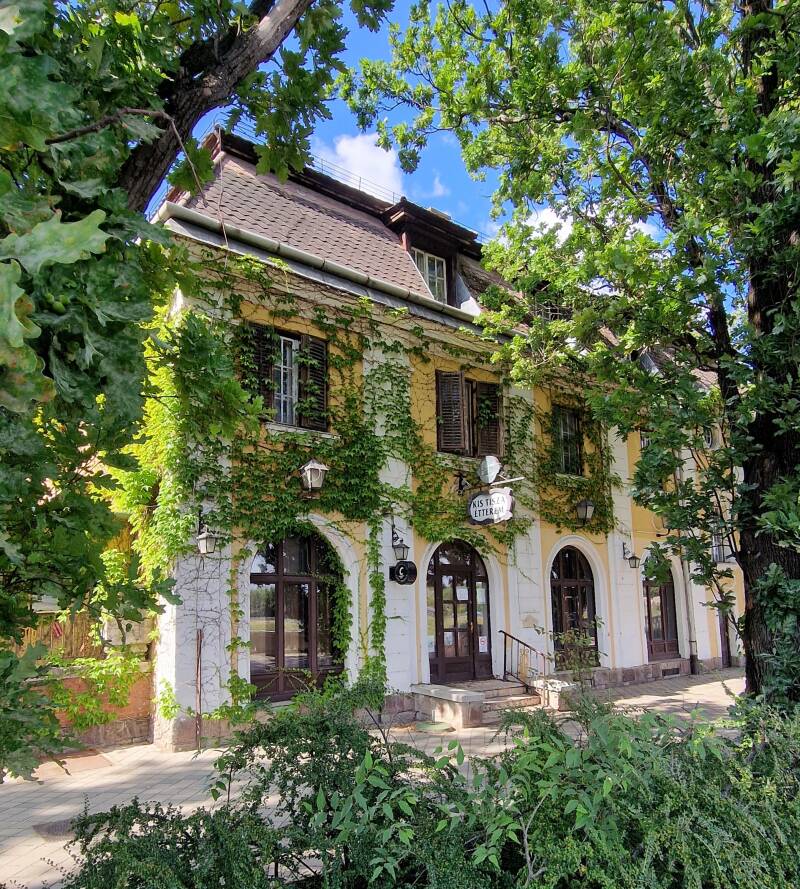
Photos below: Images of Szolnok, the Tisza bridge and views of the grainfields and the Tirza river bridge where Paddy leaned over.


Pusztapo
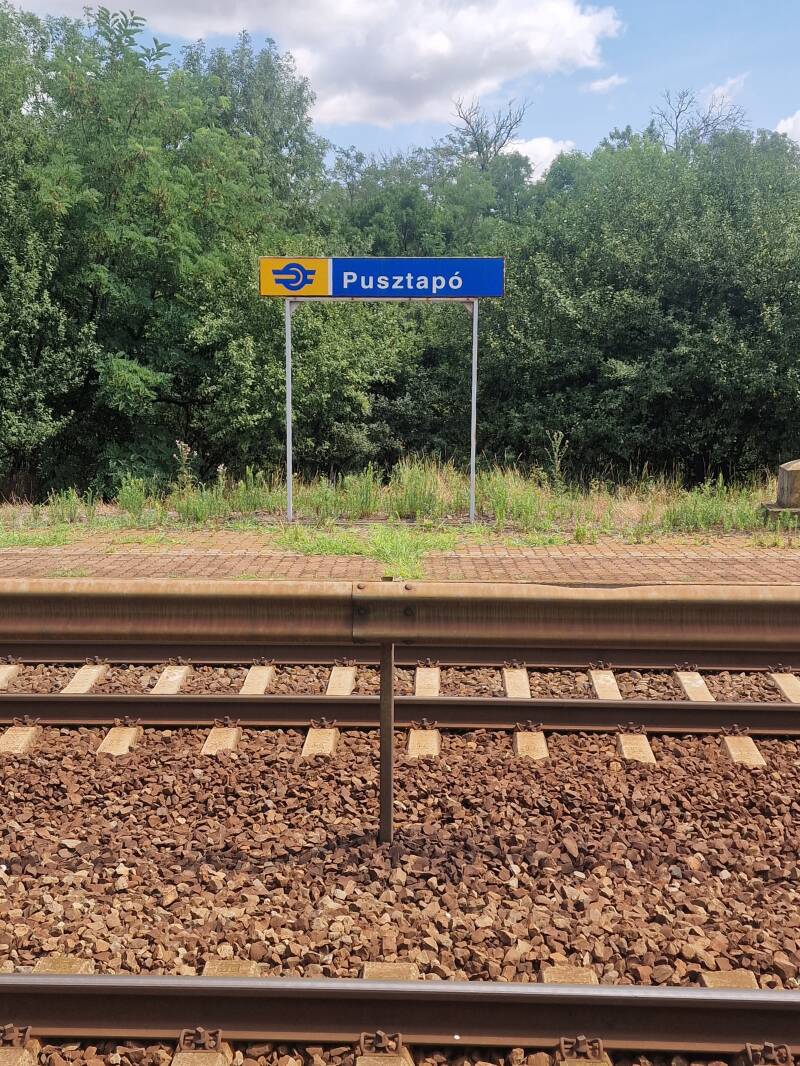
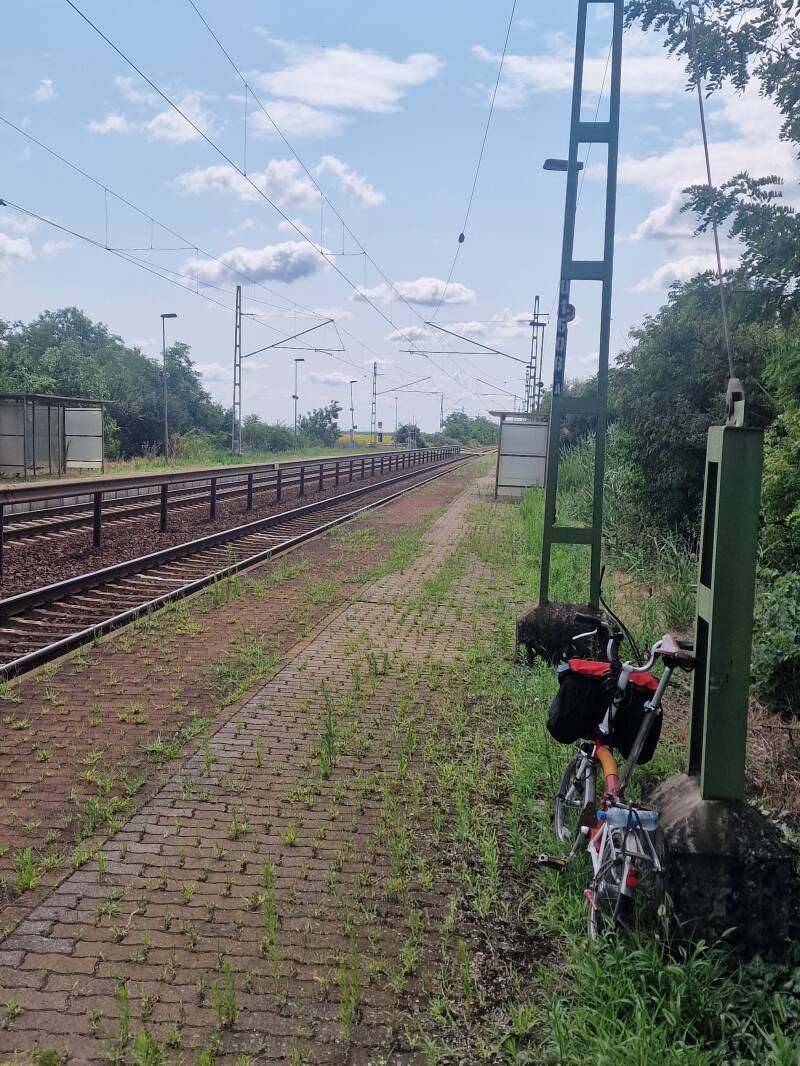
"Later, as Malek and I tittuped past a sleepy railway-halt called Pusztapo, the scene clears a bit; its name has stuck only because of its oddity. Hamlets like this were hardly more than a row of thatched cottages on either side of the dusty way."
The hamlet of Pusztapó consists of only a small number of houses and farms even today. Only a few dozen people live here and it is the most deserted train station I have ever seen. The former station building is no longer in use as a station; the stop has been reduced to a simple stopping place with a platform.
Photos below: Pusztapo Central train station.
Mezötúr
"Smaller than Szolnok, it was a place of some consequence nevertheless. Between two coffee-houses in the main street with 'káveház' helpfully inscribed across their fronts, another shop-window full of cosmetics and lotions and pictures of women with lowered lids stroking their soft complexions had a mysterious superscription: Szépség Szalón. After a few seconds'delay, like the working of a slow calculating machine, 'Beauty parlour' came to the surface.."
Photos below: The shops and coffee houses have disappeared, but the main street in Mezötúr is still very recognizable compared to a photo from the 1930s (left above).


Körösladany
"Poppies scattered the green crops, the smell of hay, clover and lucerne floated in the air, and tawny-maned horses grazed. I wished the journey would never end. But the next halt, beyond another green line of trees, was the last, and in spite of dawdling over this final equestrian stage, too short a ride."
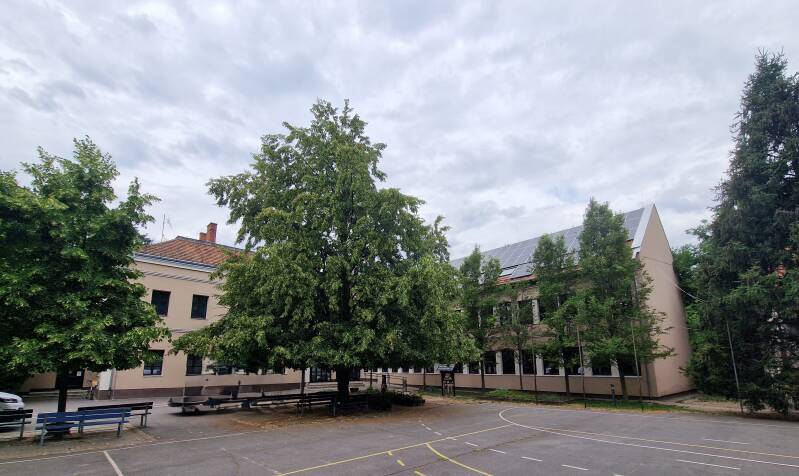
Malek is handed over to a friend of the owner in the village of Gyoma. With a heavy heart, Paddy says goodbye and continues his route on foot. After a day's hike along the Körös River, he reaches the old village of Körösladany. His stay this time is the Merán-kastély (Merán Castle), at the time a large country house with a famous library of approximately 32,000 books. The von Meran family fled in 1944 when the castle was occupied by the Soviet army. The library and virtually the entire interior were lost.
Paddy notices that the building looks more like a country house than a 'castle', as it is called in Hungarian (kastély). "The look of the Magyar word Kastély - which is perversely pronounced 'koshtay', or very nearly - suggests, like 'Schloss', a fortified and castellated building, but the nearest English equivalent to most of those I saw in Hungary and Transylvania would be a manor house.."
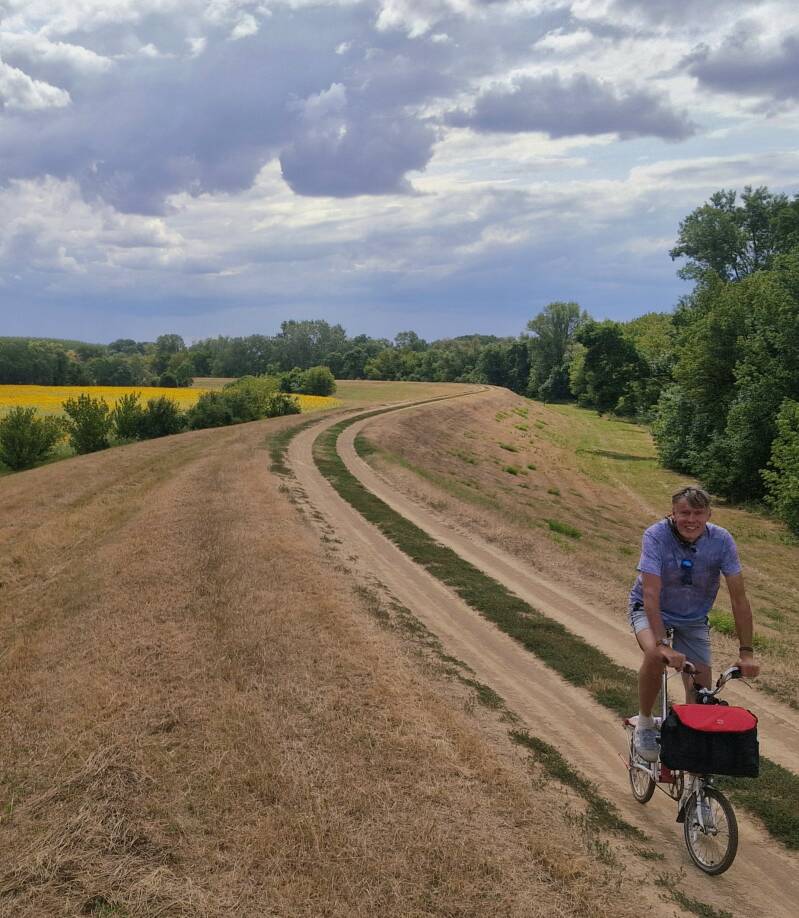
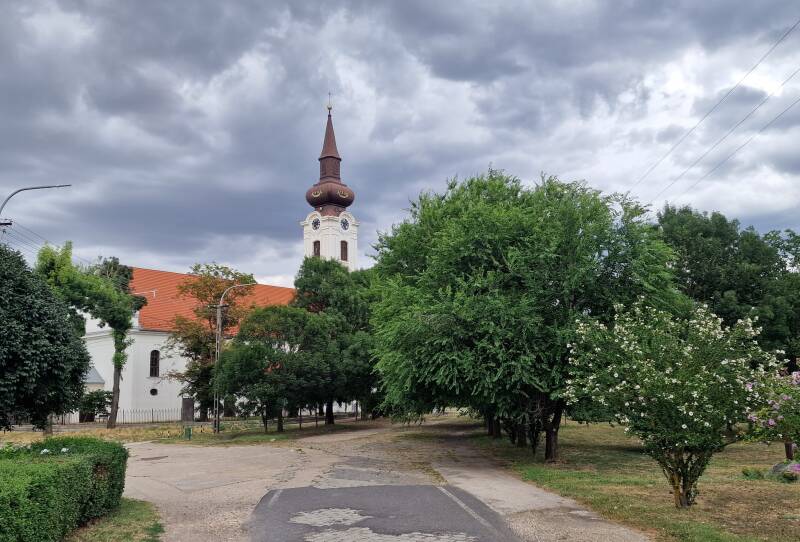
Photos below: Cycling along the dike beside the Körös towards Körösladany. The first thing I see of the village is the Reformed Church (Református templom).
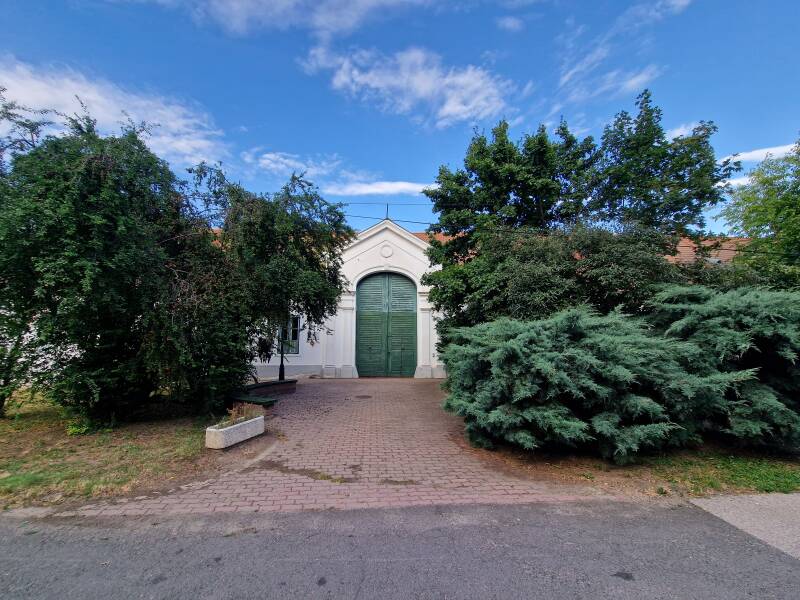
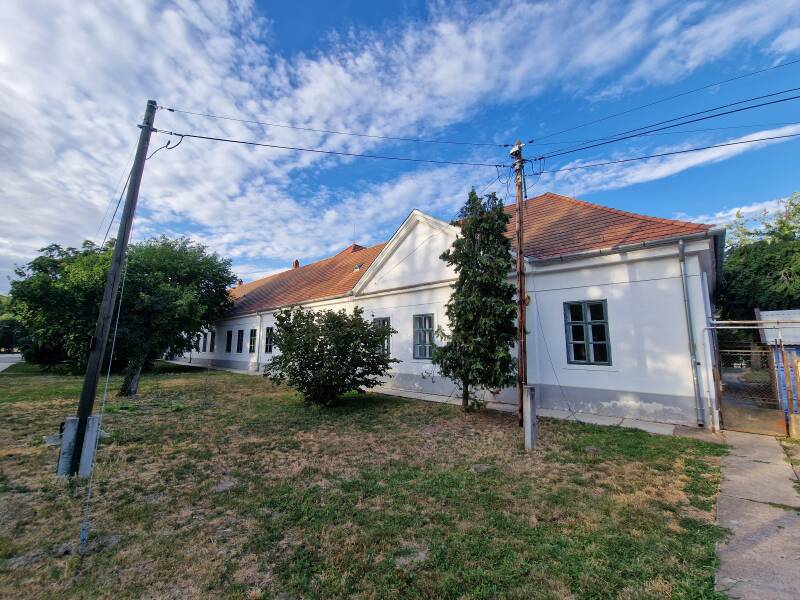
Photos below: The Merán-kastély (Merán Castle) where Paddy stays with the von Merán family in Körösladany. It is remarkable to consider that he spent a few days here in a world of Hungarian aristocracy that would completely disappear a few years later due to the war. The building later acquired other functions; today it serves as a school building.
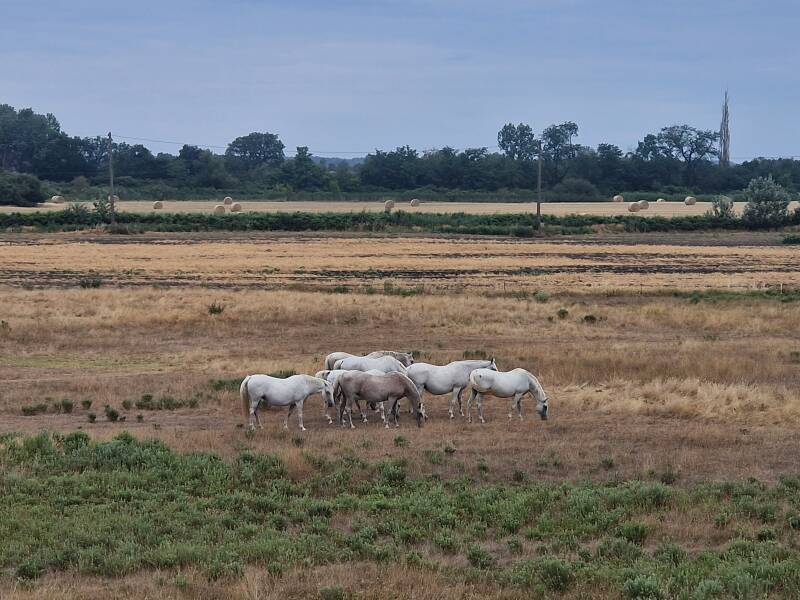
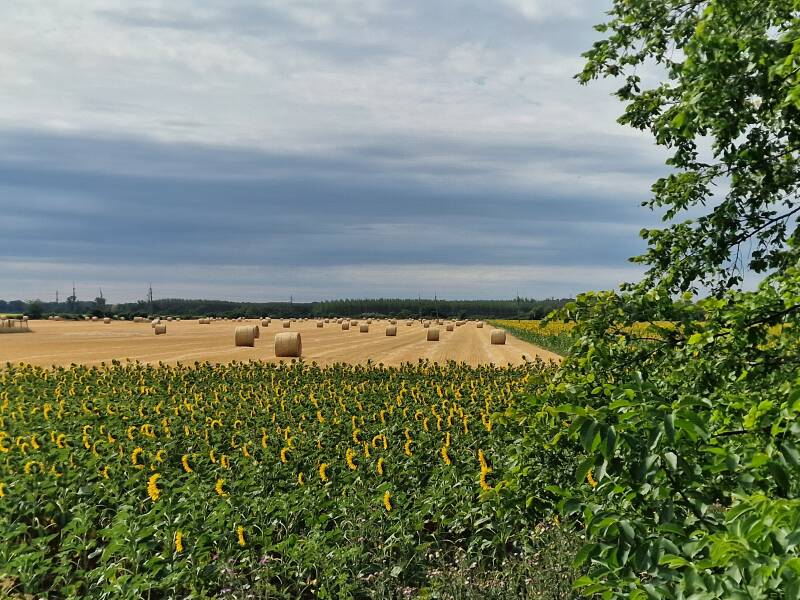
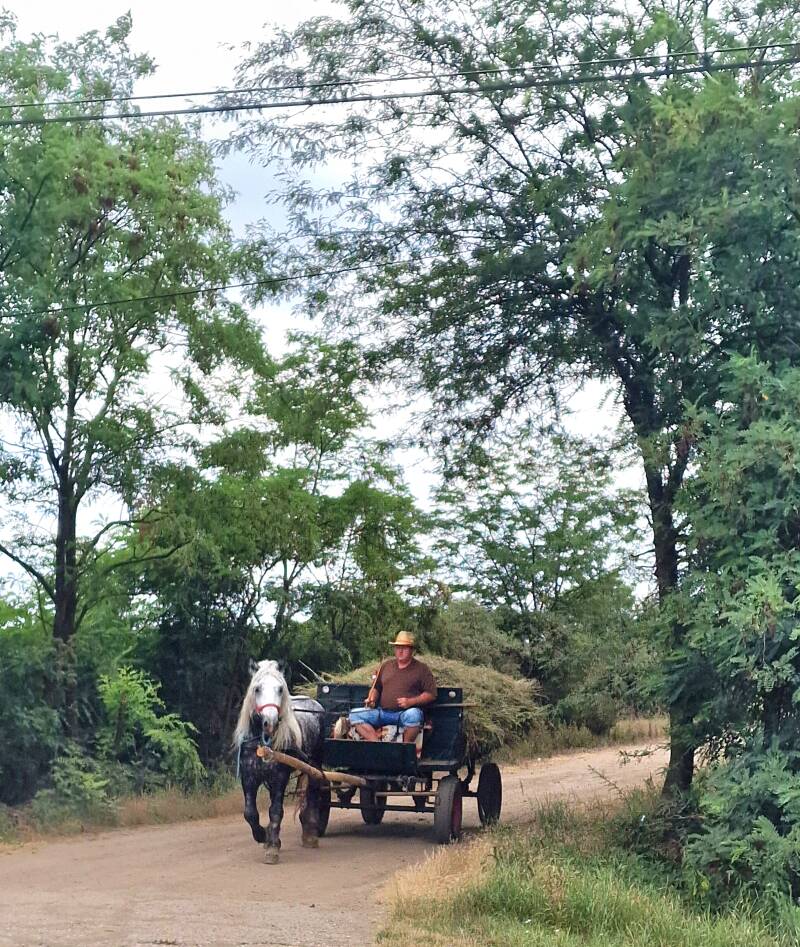
Photos below: Cycling further from Körösladany along the river Körös, the familiar sight of vast fields of grain and sunflowers comes into view once again, as well as the first horses. The climate in Hungary and Romania is very suitable for sunflowers. The sunflower oil and seeds are sold worldwide, but primarily in the EU.

Doboz
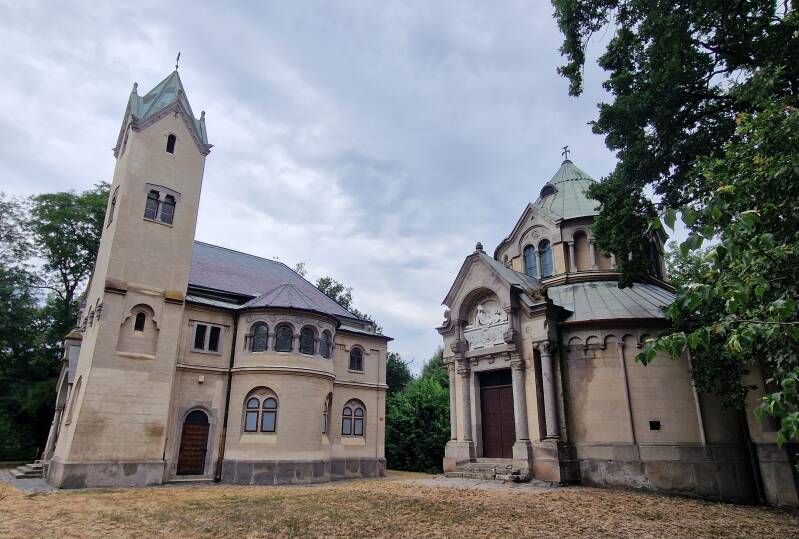
In Doboz, Paddy stayed with the noble Wenckheim family, one of the most important Hungarian aristocratic families. Here, too, the 'castle' is more of a country house. Surrounding the castle is a park with the Wenckheim Chapel and the family burial vault (crypt). These buildings were constructed around 1902 on the orders of Count Dénes Wenckheim and today form the best-preserved monumental parts of the estate.
It is interesting that during his stay in Doboz, he receives a pistol as a gift from his hosts. It is a small automatic pistol that they provide him for his onward journey through the remote regions of Hungary, and especially Romania and the Carpathians. Their reasoning is that, as a young traveler traveling alone, he is vulnerable to highwaymen or wild animals. Fermor himself had no need for a firearm whatsoever. He describes the gift with some irony: he felt honored, but also uncomfortable. It becomes more of a symbolic object: a sign of the concern and hospitality of his aristocratic hosts than a practical tool.
Photo's below: the Wenckheim Chapel and the family burial vault on the left and the castle of the Wenckheim's on the right.
Békéscaba
Paddy gets a lift from a driver and two nuns. For once, he accepts the ride because he doesn't want to be late for his next overnight stop.
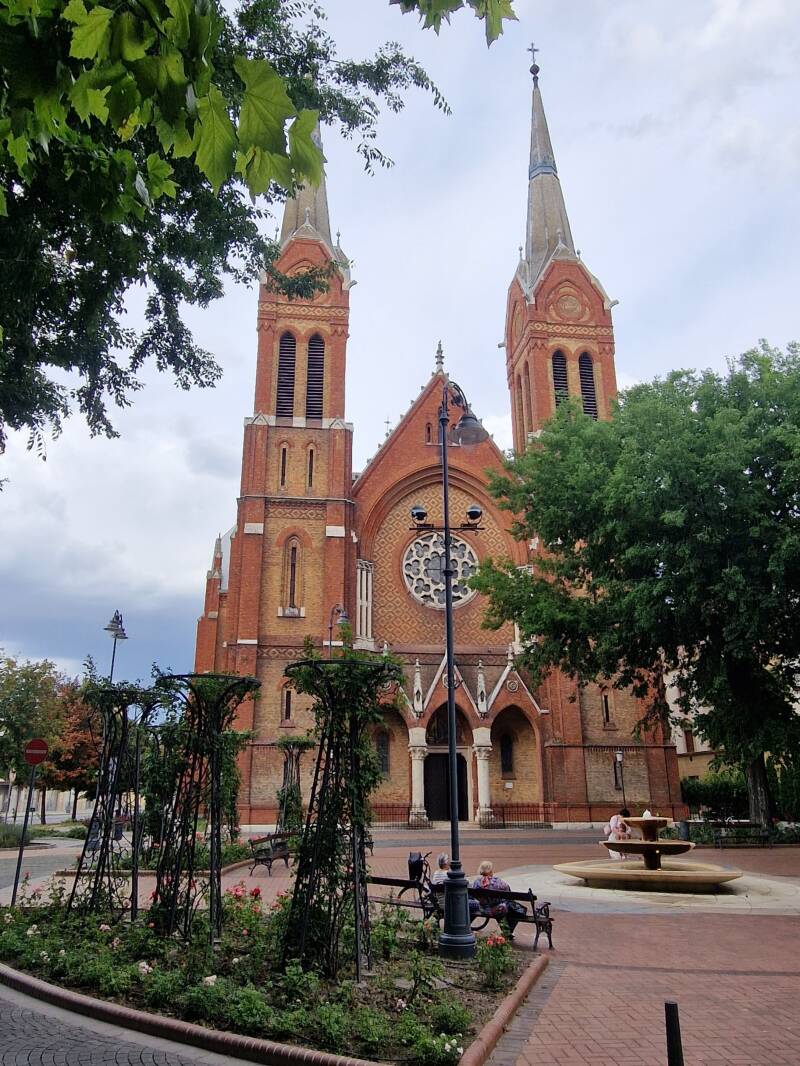
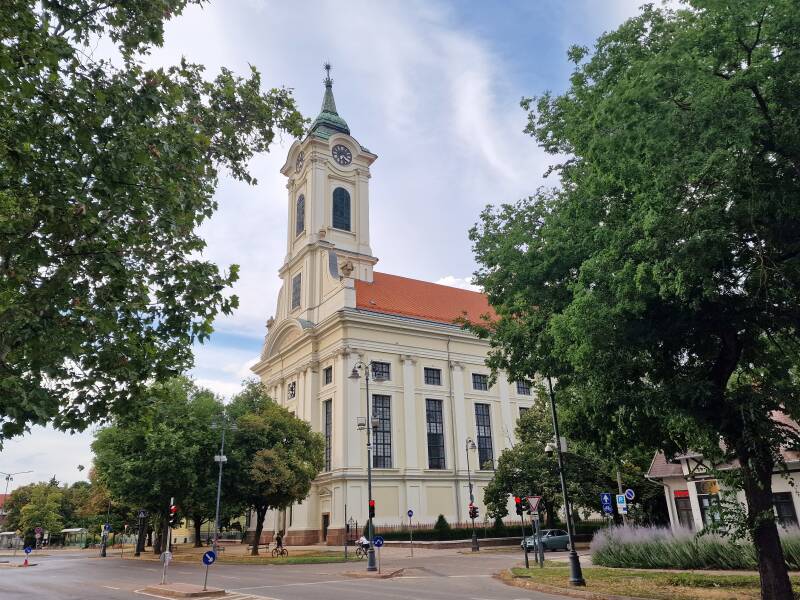
"I sighted for a lift, I didn't want to be late, and just as the wish took shape, a cloud of dust appeared on the path and then a governess-cart with a fleece-capped driver and two nuns. One of the sisters made room with a smile and a clatter of beads. We drove several miles and the town of Békéscaba hovered far away to the right, with the twin steeples of the Catholic Cathedral and the great tea-cosy of the Protestants' green copper dome glimmering beyond the tall maize-stalks".
Photos below: the Catholic cathedral (left) and the Protestant church still exist. This refers to the Neo-Gothic Co-Cathedral of St. Anthony of Padua (1910), also called Békéscsaba Cathedral. The large Lutheran church of Békéscsaba dates from 1824 and is the largest Protestant church in Hungary. The tower is 70 meters high.
Szabadkígyós
His next stay in Szabadkígyós is also with members of the Wenckheim family. It is the beautiful residence of Joseph (Jószi) and his wife Denise.
"Once through the great gates, I was lost for a moment. A forest of huge exotic trees mingled with the oaks and the limes and chestnuts.".. "It was a vast ochre-coloured pile, built, on the site of an older building perhaps, in the last decades of the nineteenth century. Blois, Amboise and Azay-les-Rideau (which I only knew from photographs) immediately floated into mind."
Photo below: the beautiful Wenckheim castle in Szabadkígyós.
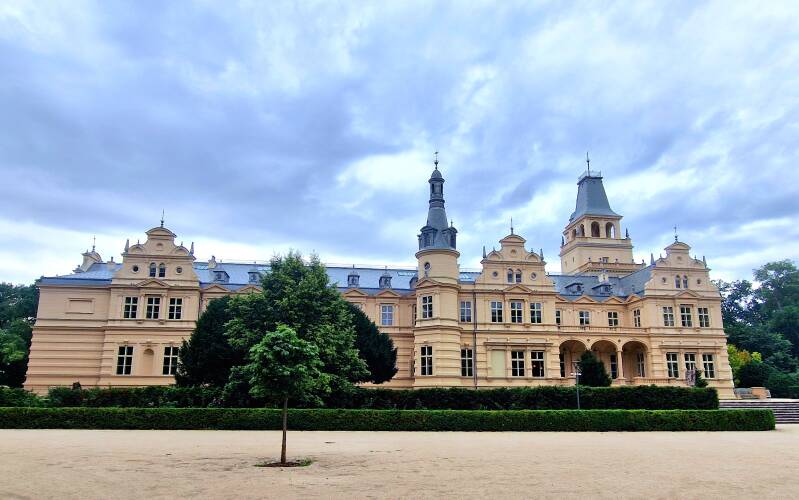
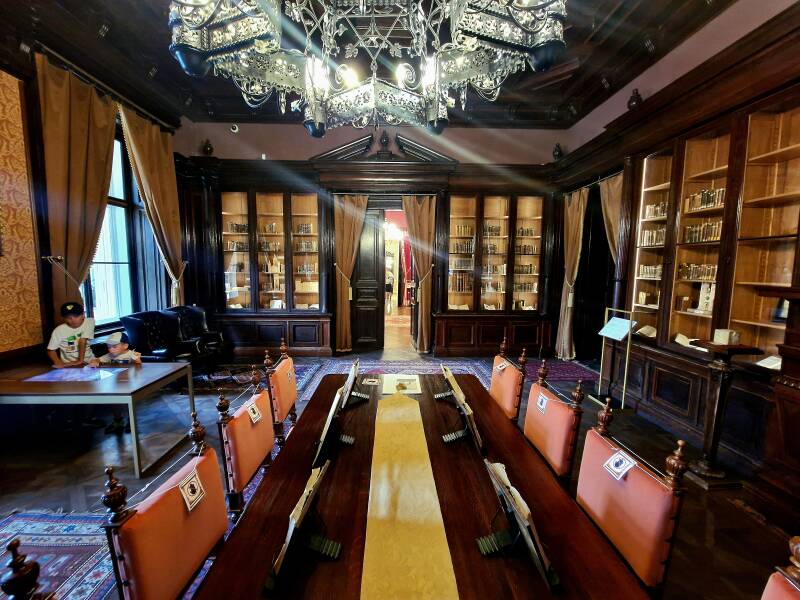
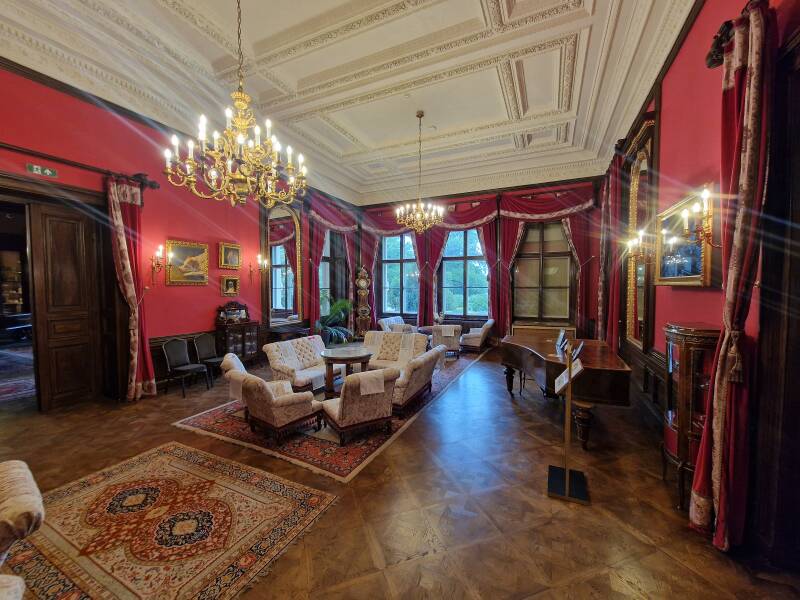
The castle was built between 1875 and 1879 on commission from the Wenckheim family. The castle was intended as a luxurious residence and was considered one of the most modern country houses in Hungary at the time. After the Second World War, the family lost ownership. The building subsequently served various functions, including an agricultural school. Since 2012, it has been thoroughly restored and is now accessible to visitors again. The castle was reportedly designed as a kind of calendar: 365 windows – for the days of the year, 52 rooms – for the weeks, 12 entrances – for the months, and 4 wings – for the seasons. Because the castle was used as a school after 1945, the building was not looted or severely damaged like many other Hungarian castles. As a result, the library, in particular, has been well preserved.
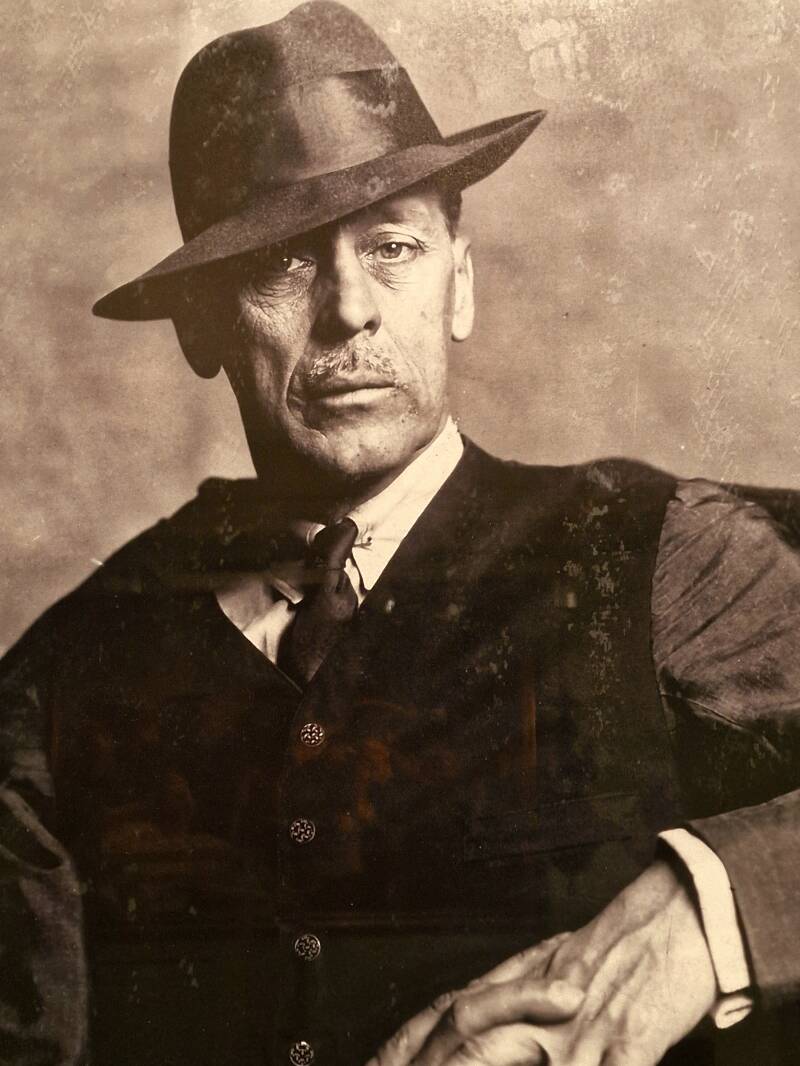
Joseph (Joszi) Wenckheim was Paddy's host during his visit. When the Red Army approached in 1944, Józsi roughly left the estate with his family. They fled via Western Europe to Algeria, which was then under French rule. He would never return to Szabadkígyós and died there in 1952 in Brigadem, near Algiers.
Paddy describes how he played bicycle polo on the lawn in front of the castle together with the count, other guests, two footmen, and a stable boy. According to him, it was a wild game full of collisions, but he loved hitting the ball well. Unfortunately, his team eventually lost.
Paddy stayed at the castle, dined with the Wenckheim family and even with a Habsburg Archduke, smoked from long Turkish pipes (chibouks), and once again gained insight into an aristocratic lifestyle that would almost completely disappear a few years later due to the war.
Photos below: The castle library, one of the salons in the castle, and a photograph of host Count Joseph (Joszi) Wenckheim.
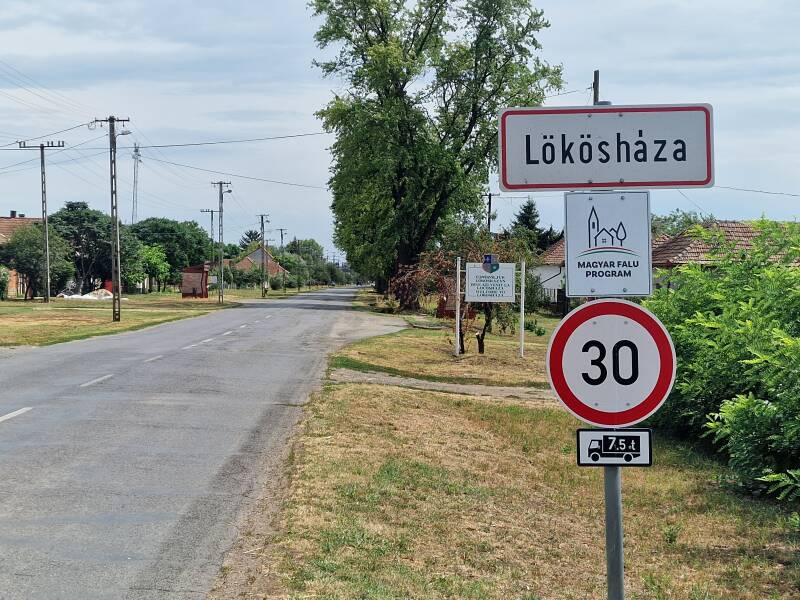
Lökösháza
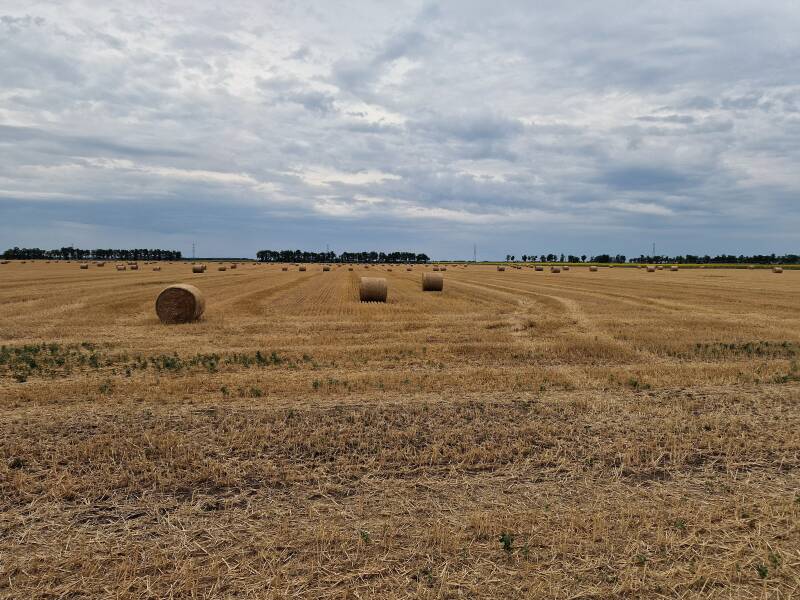
"All next day I threaded my way through cornfields in the direction of Lökösháza, the last station before the frontier: an empty region with a few farms and innumerable skylarks, where crops alternated with grazing."
Lőkösháza is still a small village with currently about 2,000 inhabitants, right on the Romanian border. Most travelers know it as the last Hungarian station before the border crossing on the Budapest–Bucharest railway line. For centuries, it was one of the most important railway border posts in Central Europe.
"In a few miles we reached the border and the blue-yellow-and-red flag of the Rumanian frontier post."..."It was a relief and rather an anticlimax when the yawning official stamped my passport without a single glance at my stuff. The battered document still shows the date: Curtici 27 April 1934, the sixth frontier of my journey".
Photos below: the village of Lőkösháza and the surrounding grain fields.
Ineu
On his way to his next destination, Paddy walks along with a group of Romanians and discovers that this language is easier than the Magyar of the Hungarians.
"They could all understand my hard-won fragments of Magyar; but I soon felt that the language they spoke to each other would be much easier to learn."... "How odd to find this Latin speech marooned so far from its kindred!".."By late afternoon, these linguistic exchanges brought us to the little town of Ineu - 'Borosjenö' on my pre-war map - where a market-day was ending."
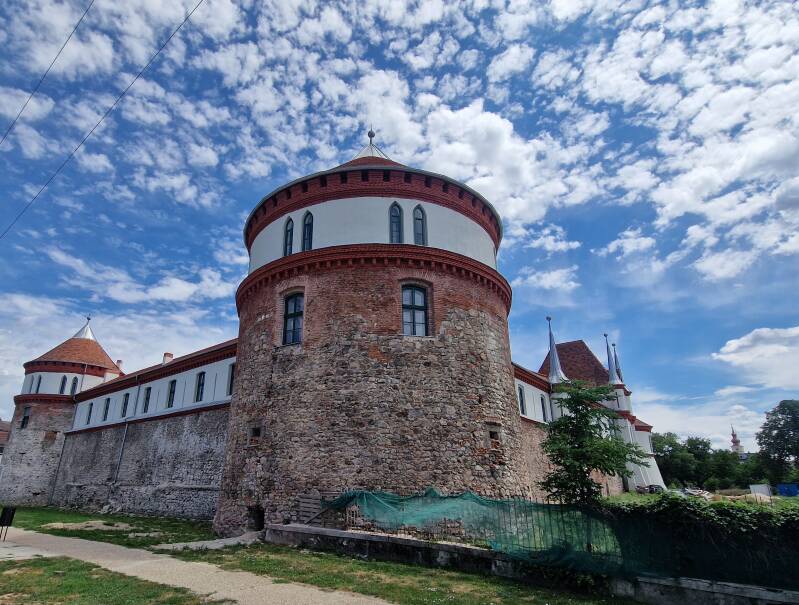
For centuries, Ineu was an important fortified town on the border between the Kingdom of Hungary and the Ottoman Empire. Ineu Castle (Cetatea Ineu) is a medieval fortress that played an important military role in the 16th and 17th centuries. Over the centuries, it was conquered and rebuilt several times.
Ineu also has a wooden church, "Izvorul Tămăduirii"; however, this is a relatively new church (consecrated in 2016), built in the traditional Maramureș style with a tall wooden tower and rich woodcarving.
In Ineu, Paddy is staying with Tibor, a friend of a friend. He describes Tibor's country house, which I unfortunately was not allowed to visit. Nowadays, it is a sanatorium. The guard wouldn't let me in because, according to him, it concerns 'serious cases'... A pity; it is yet another example of a building that belonged to the aristocracy, of which little remained after the war.
"Next morning revealed the front of a late 18th century building. Between the wings, four wide-spaced Tuscan columns advanced and ascended both floors to form a splendid loggia."
Photos below: Ineu (Borosjenö).


Arad
Paddy goes to Arad with Tibor who has an appointment with a friend there.
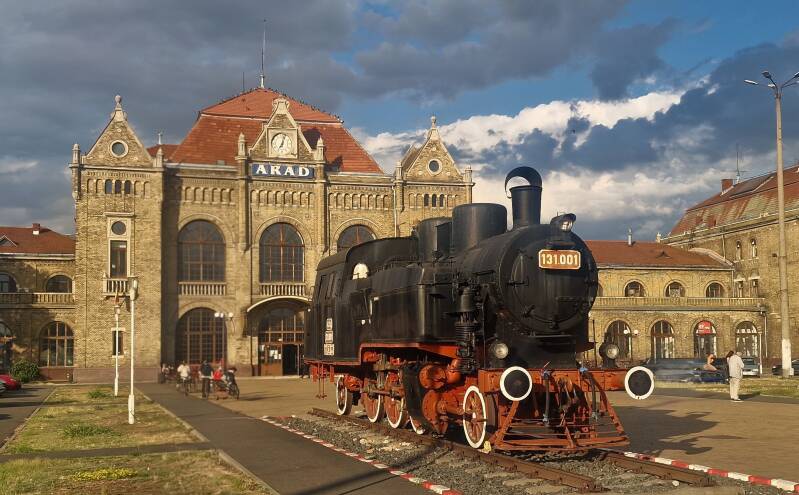
"Arad was about the size of Guildford and unlike the countryside, I had the impression there of hearing more Magyar than Rumanian in the streets."
Paddy's observation is of course correct; until 1920, Arad was part of the Kingdom of Hungary within the dual monarchy of Austria-Hungary. After the Treaty of Trianon (1920), Arad became part of Romania. Arad is an important gateway to Transylvania. The station is a hub with connections to Budapest, Timisoara, and Transylvania, among others.
Photo below: Arad's train station was bombed during the Second World War but was subsequently restored and renovated between 2012 and 2016.
Maria Radna Abbey
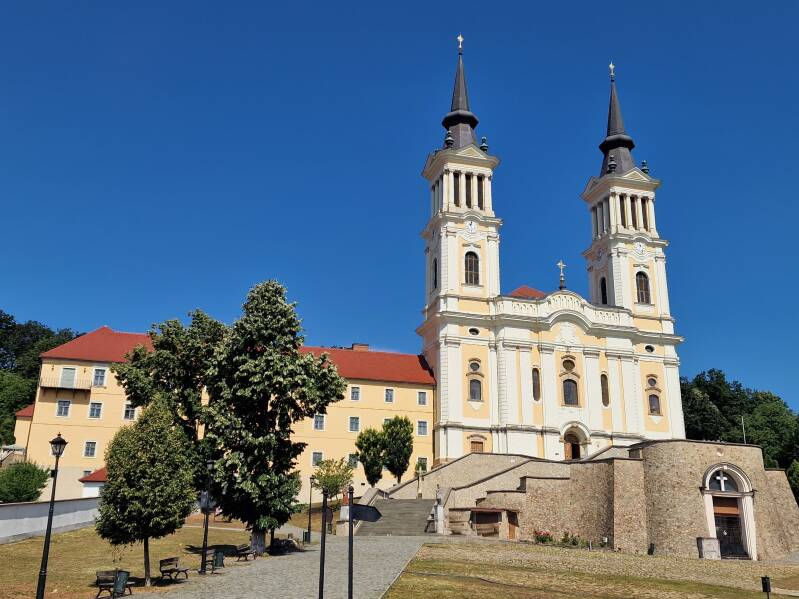
Via Ötvenes, Paddy reaches the Maria Radna Abbey.
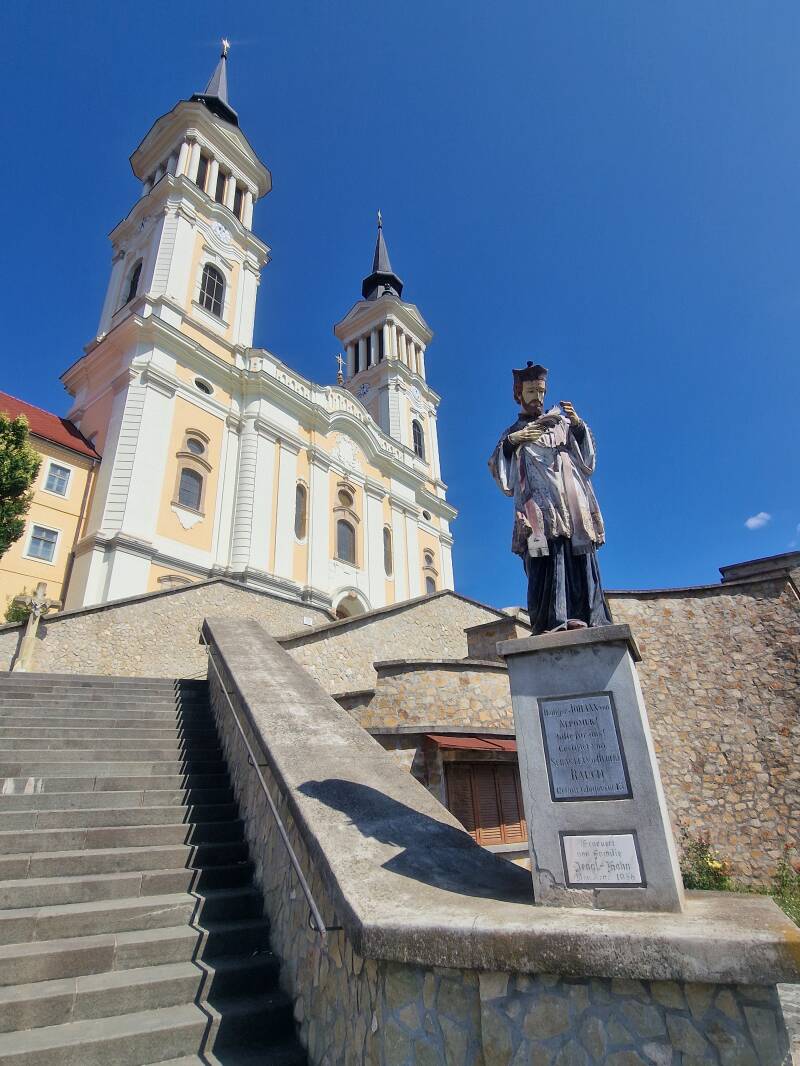
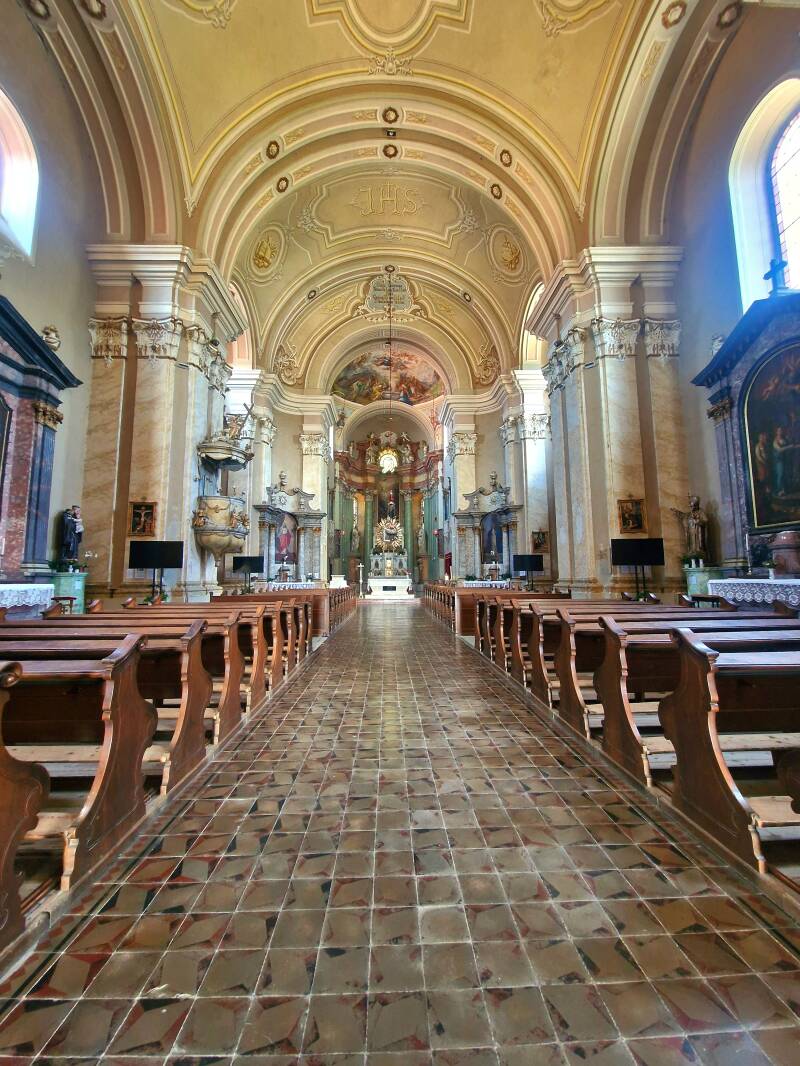
"The way from Ötvenes that morning had run south-east untl the wooded hills fell asunder about twenty miles east of Arad, where my path joined the beautiful valley of the Maros; and then, a little way upstream, the bronze copulas of the Maria Radna caught the afternoon light. The Abbey was founded in 1520, but nobody, at a glance, would have connected this High Baroque pile with the Franciscan Order."
Photo below: the Maria Radna Abbey.
Deva


Săvârșin
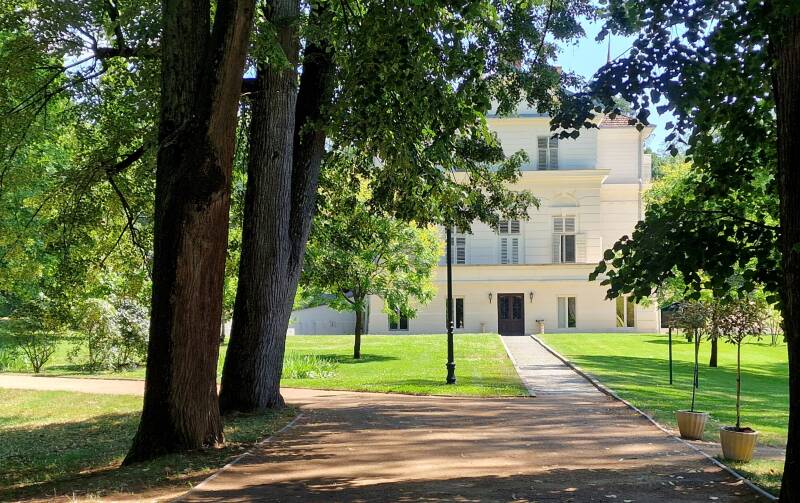
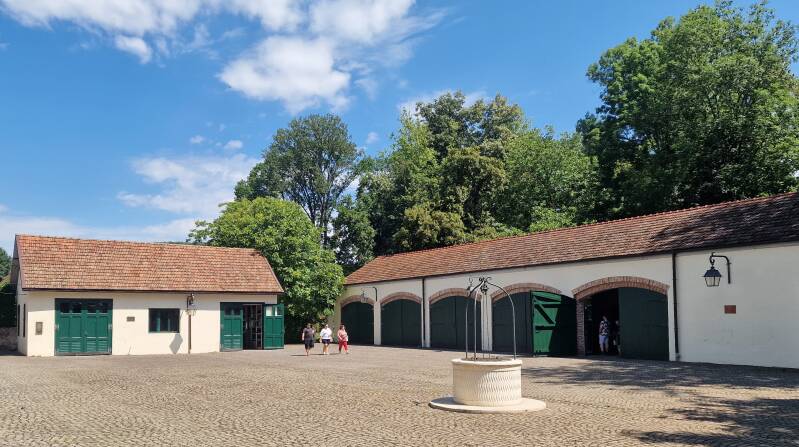
Săvârșin Castle is a large country house situated in Săvârșin Park, a 6.5-hectare (16-acre) private estate that was owned by King Michael I of the Romanians (1921–2017) in Săvârșin, Arad County, Romania. It is the Romanian Royal Family’s official country residence.
Kastély Kápolnás
Turda
Cluj
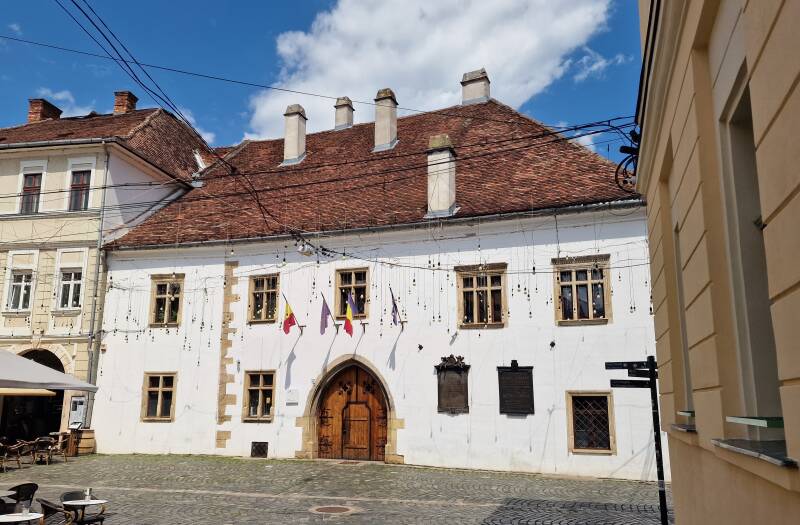
The Hungarian king Matthias Corvinus, one of the most famous rulers in the history of Hungary and Transylvania. He was born in 1443 in the castle of Vajdahunyad, where I had been a few days earlier! His father was the famous general John Hunyadi, who defeated the Ottomans several times. The family name Corvinus is derived from the Latin corvus ("raven"), a reference to the family crest featuring a raven.

Cluj
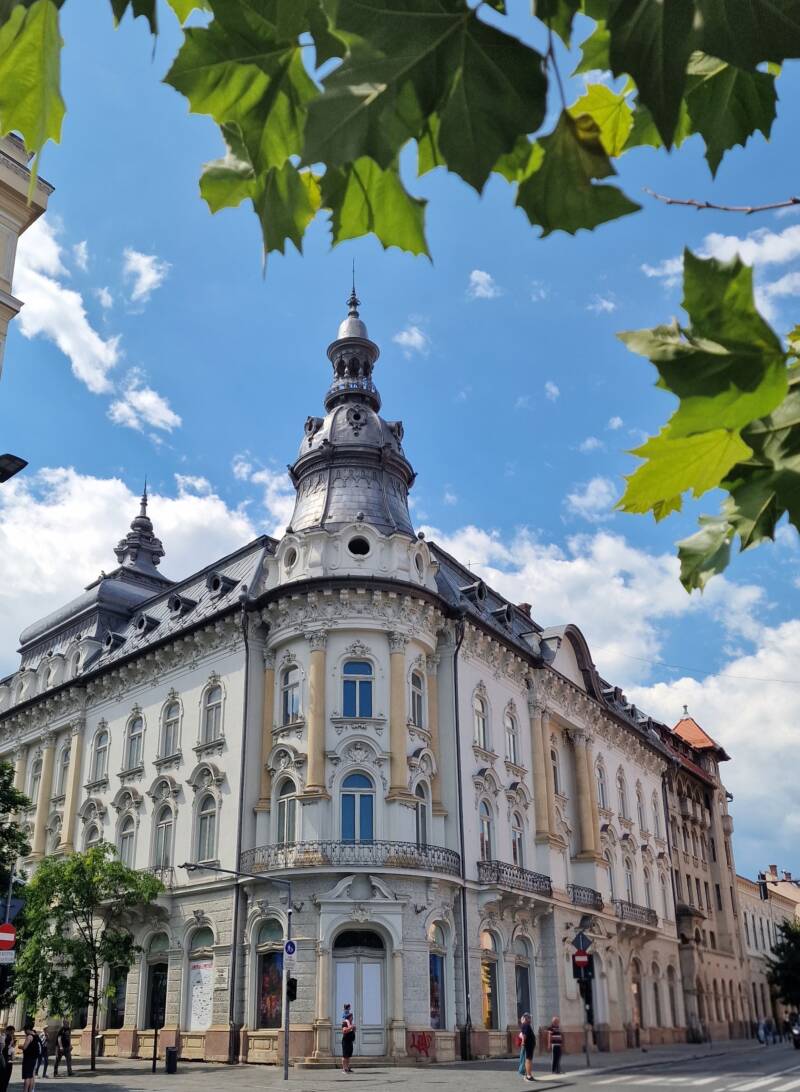
Hotel New York and the birthplace of Corvinus
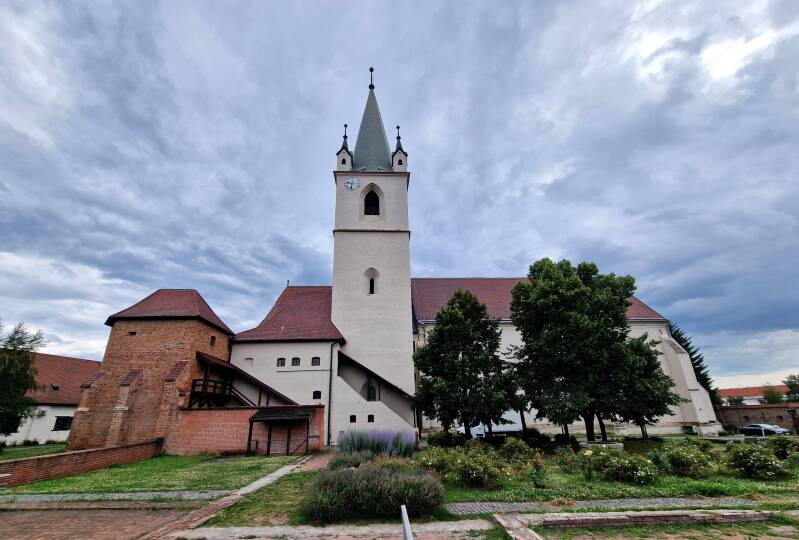
Targu-Mures
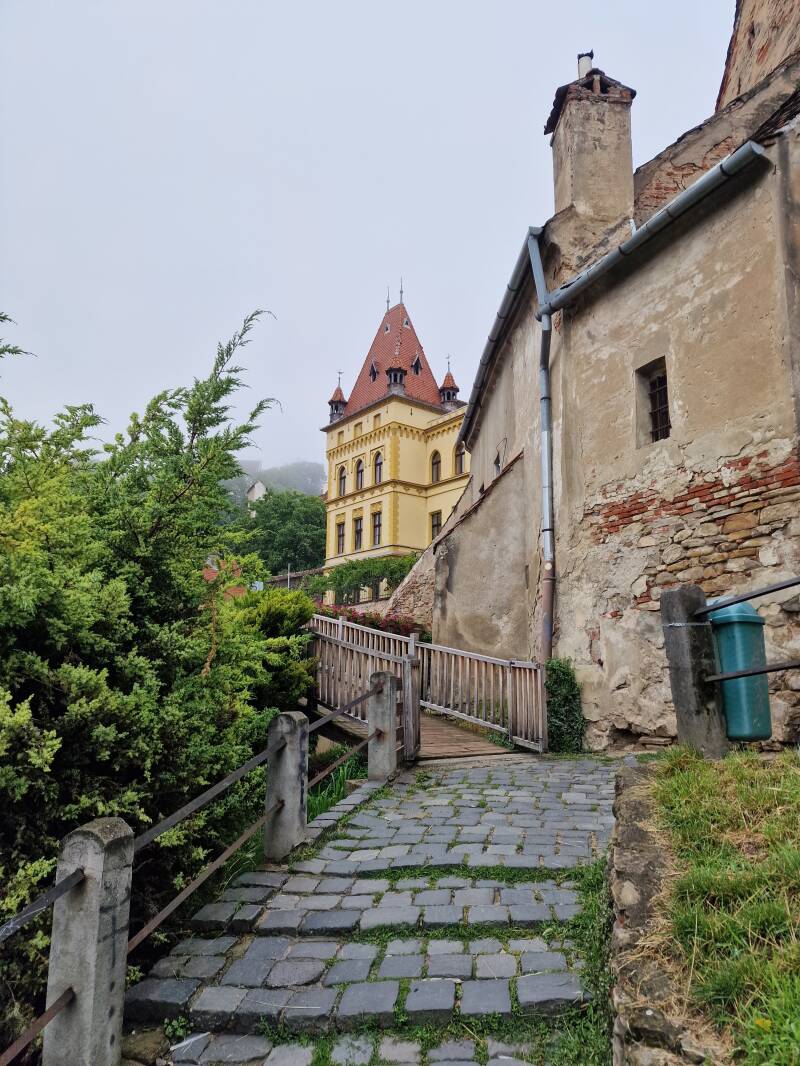
Sighișoara
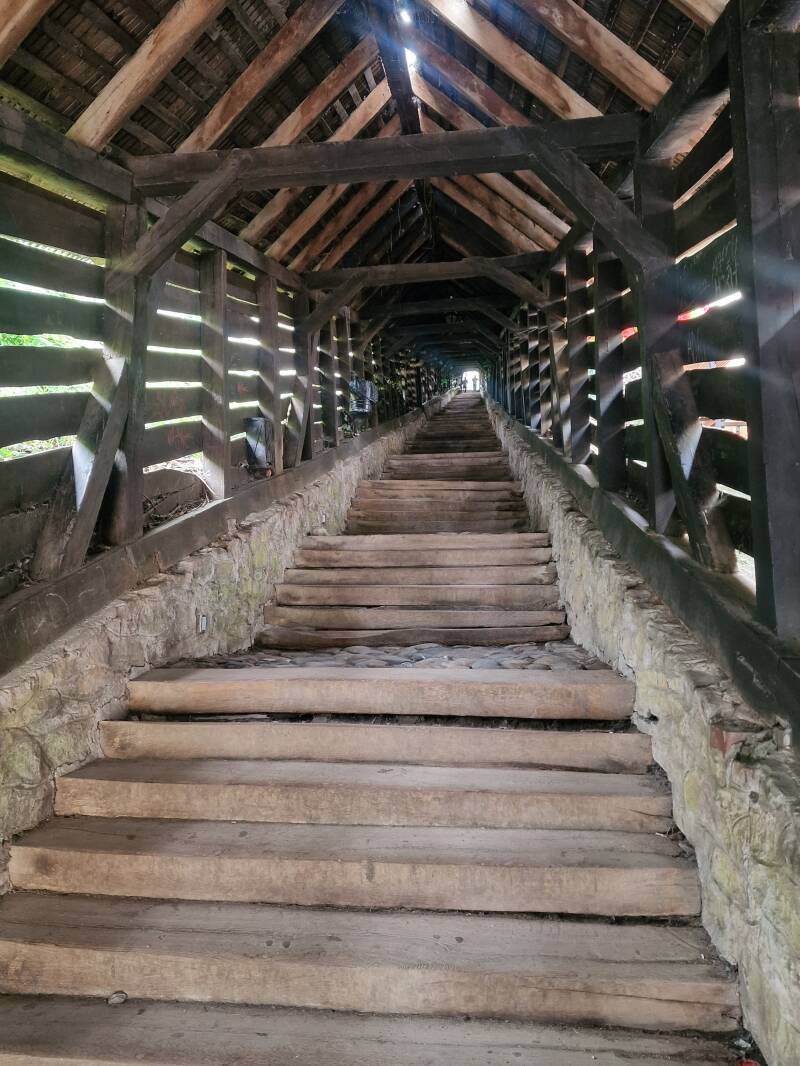
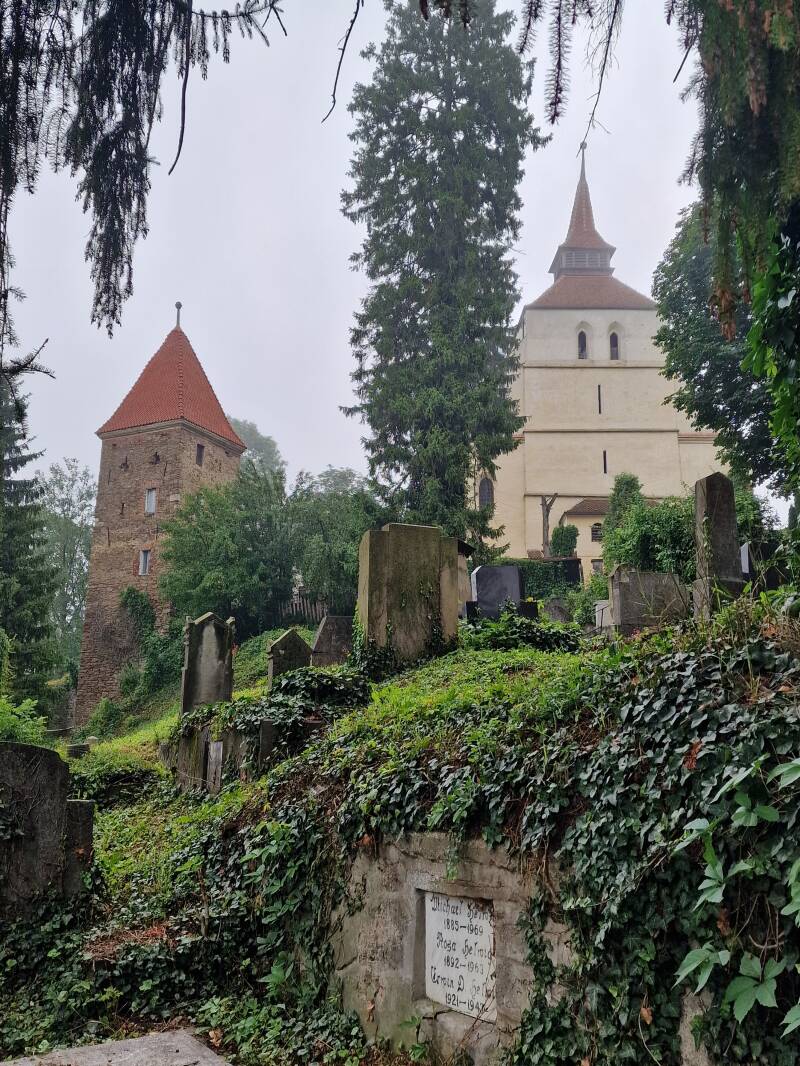
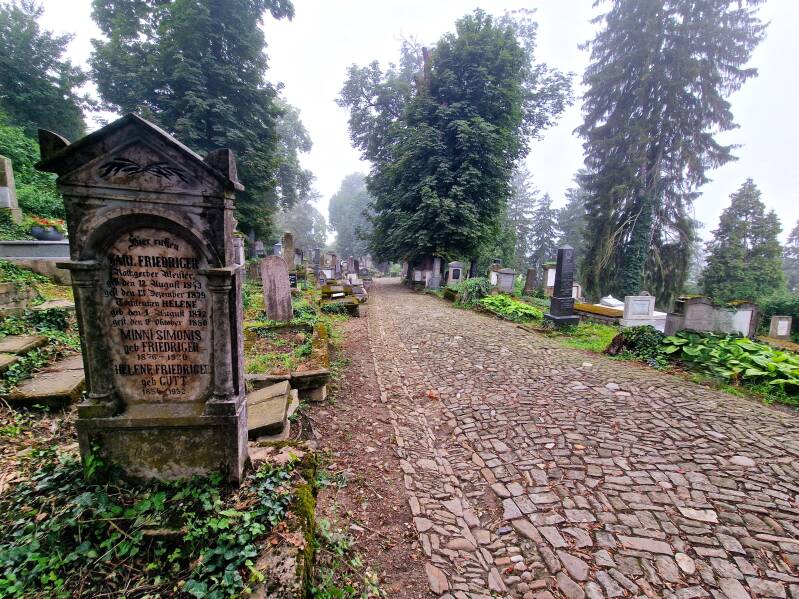
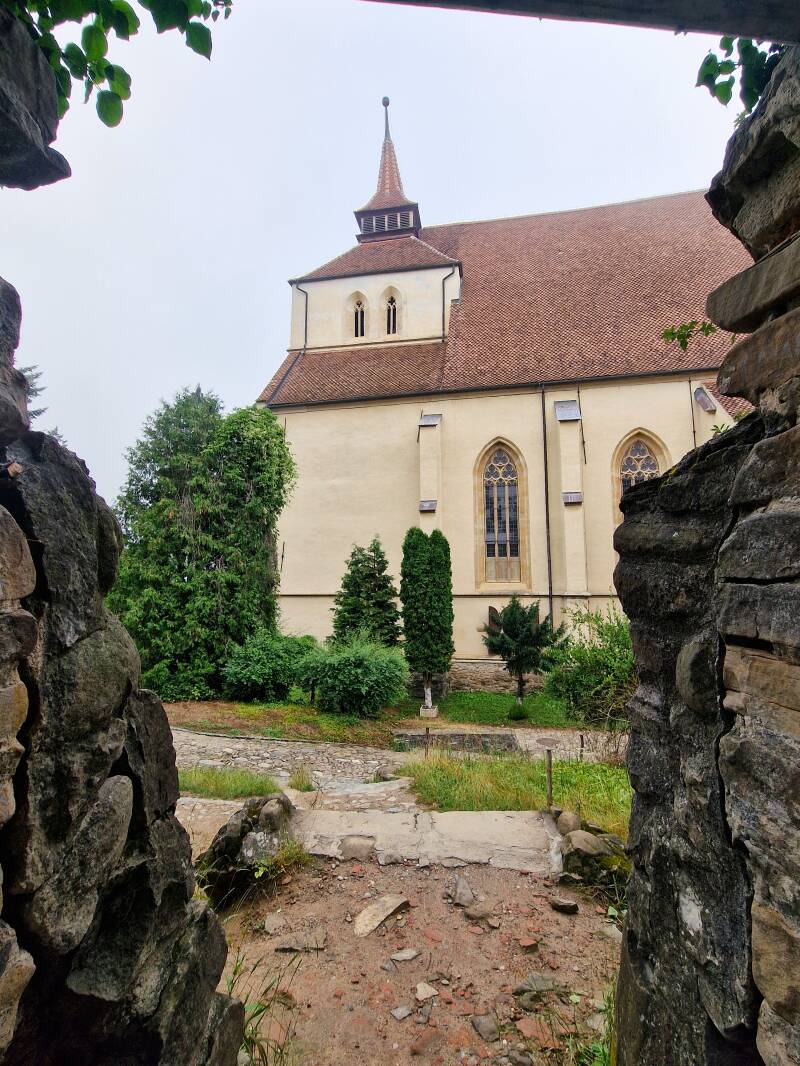
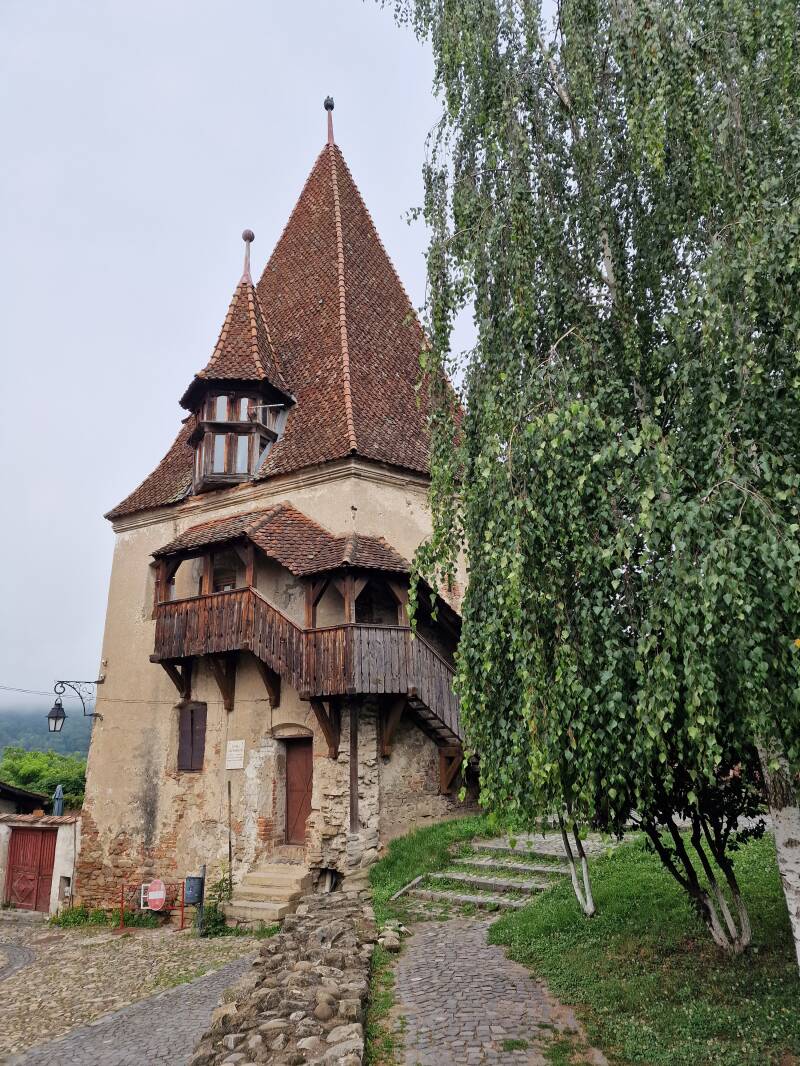
The covered wooden staircase in Sighișoara is one of the city's most iconic landmarks. Built in 1642, the staircase protected schoolchildren and adults from bad weather while climbing to the school and church on the hill. The staircase is still in daily use and is part of Sighișoara's historical heritage.
Făgăraș
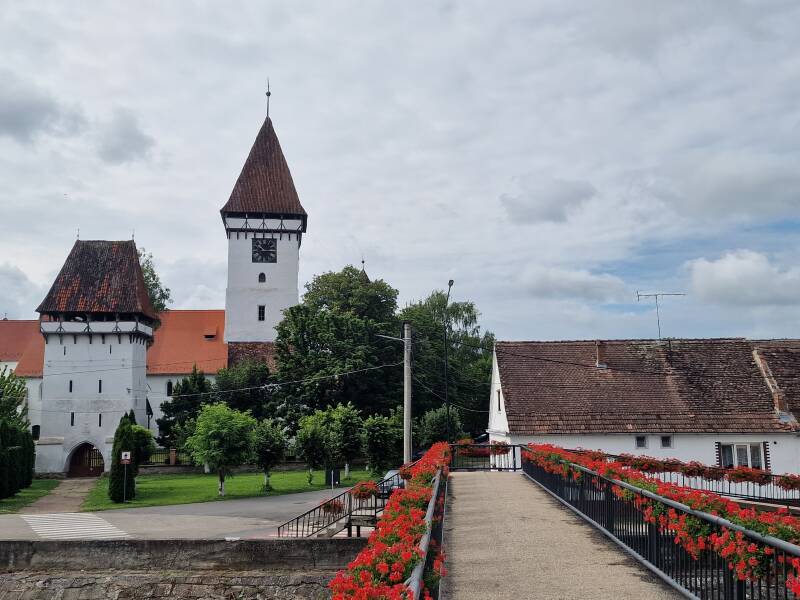
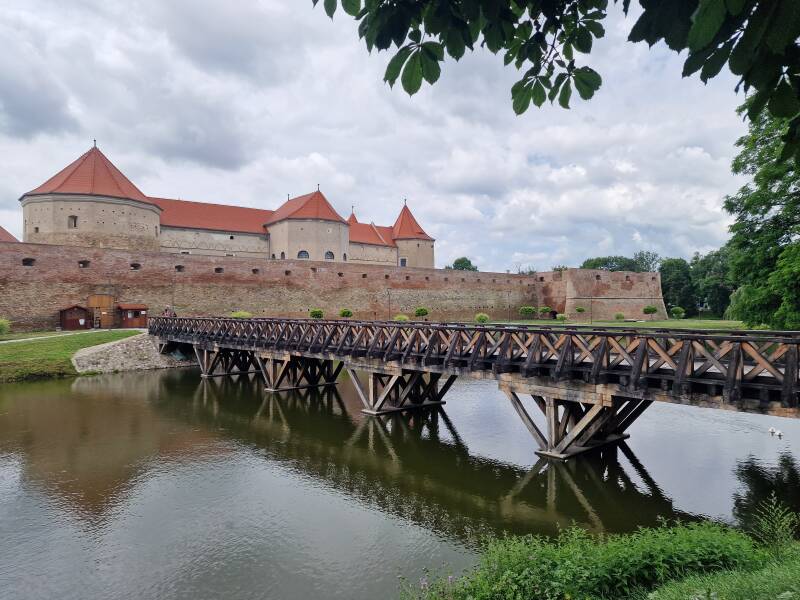

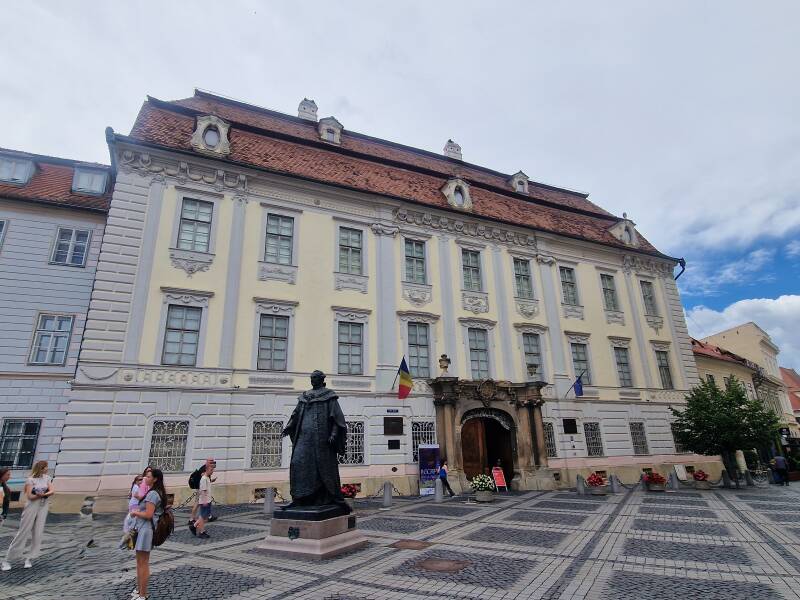
Hunedoara - Castle of Vajdahunyad
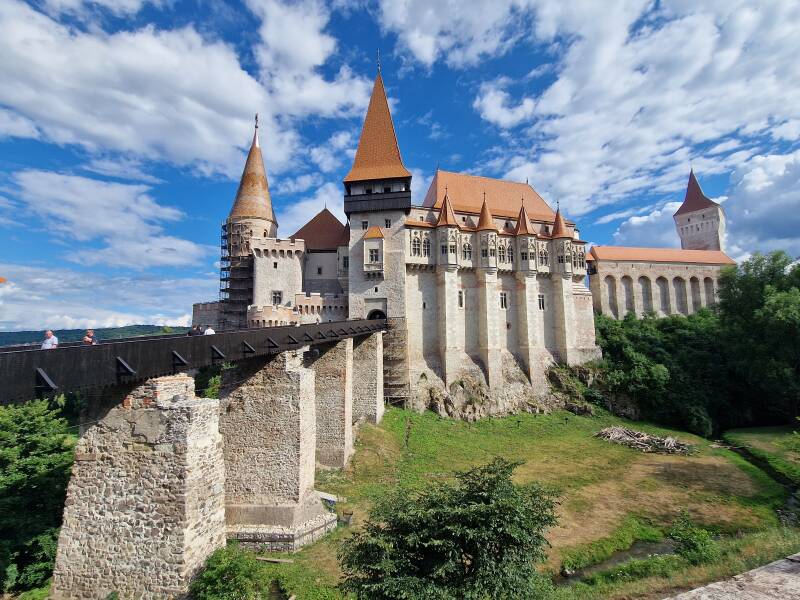
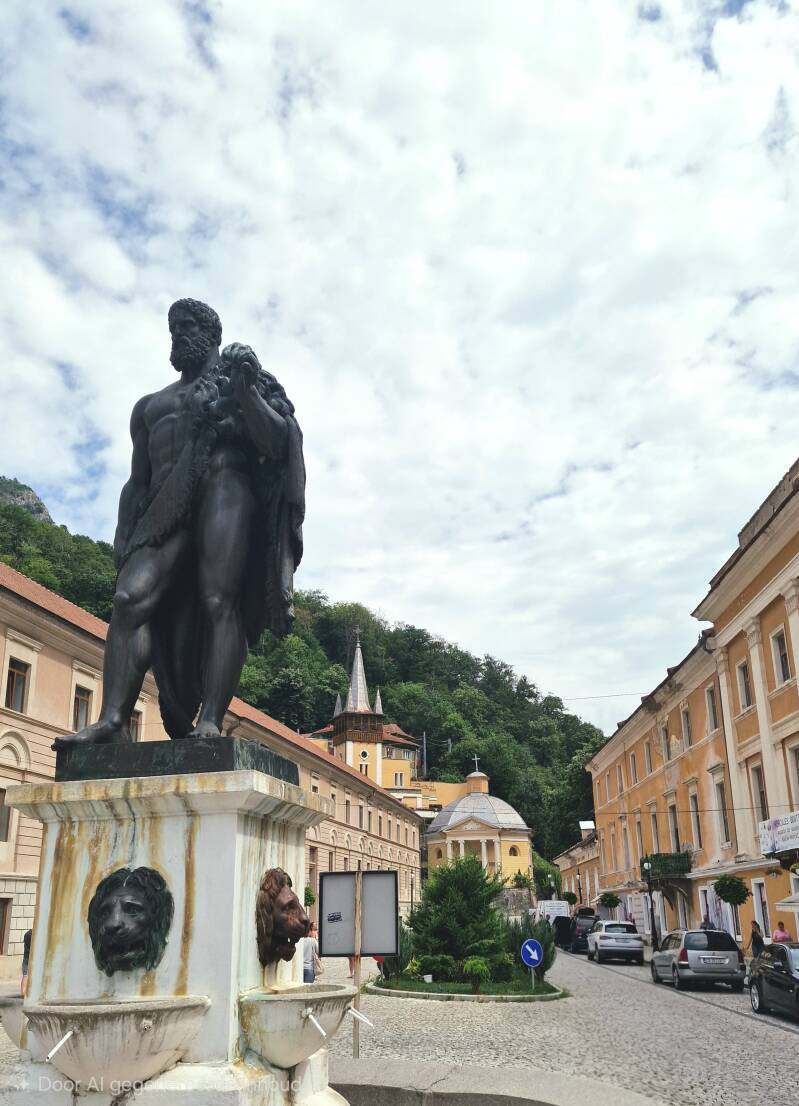
Baile Herculane (Baths of Hercules)

Iron Gates
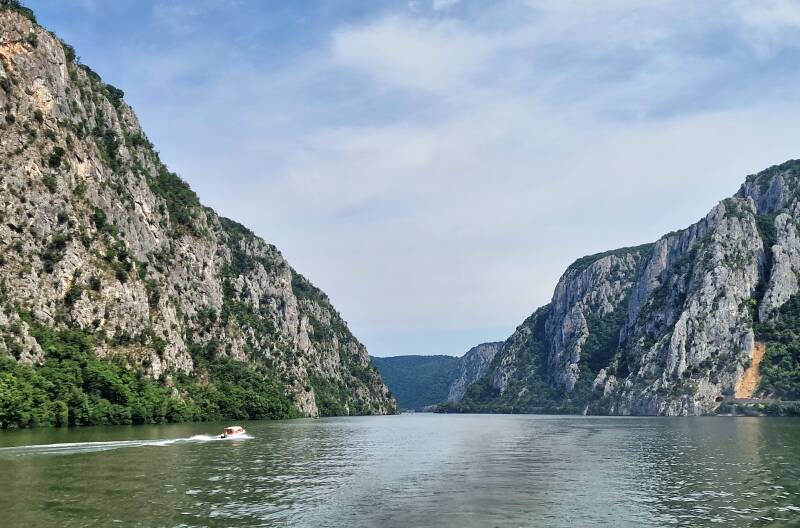
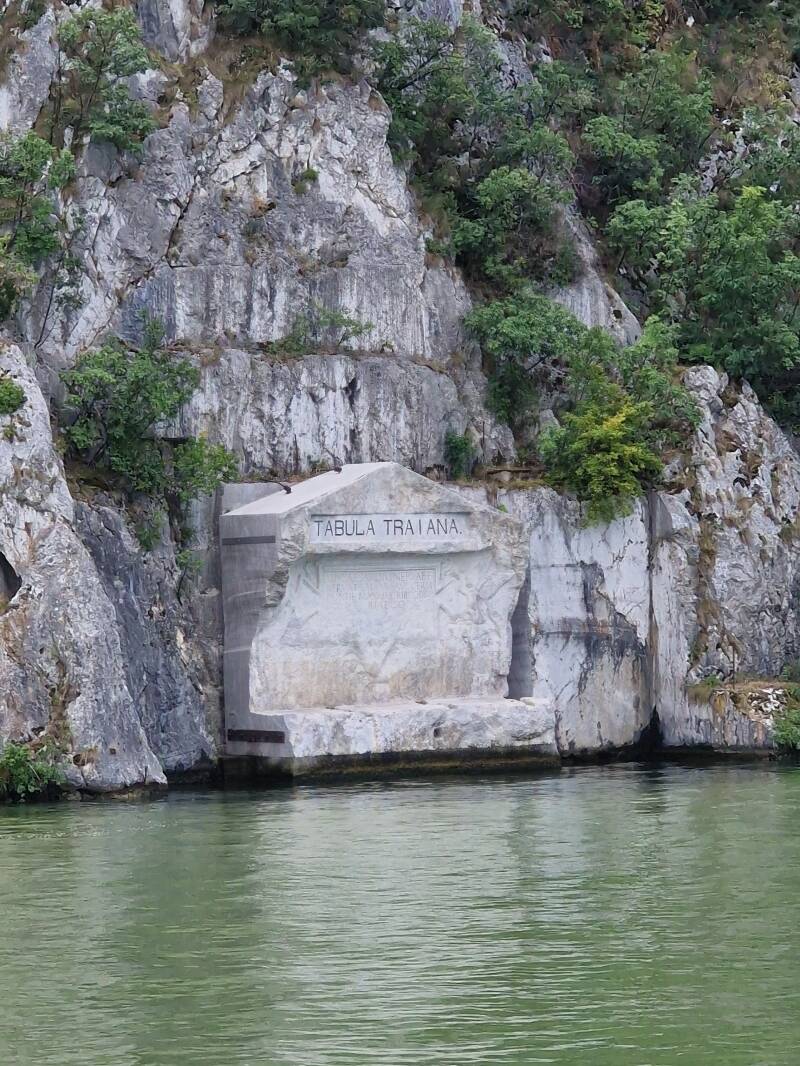
Table of Trajanus and the Cauldron of Kazan
"It was the remains of Trajan's amazing bridge that we had come to see, the greatest in the Roman Empire'
The Trajan's Tablet (Latin: Tabula Traiana) is a memorial stone in the Iron Gate (Romanian: Porțile de Fier), a narrow gorge in the Danube between Serbia and Romania. This tablet marks the completion of an important Roman construction project: the construction of a road along the Danube and the building of a canal to make the river navigable.
In the 1960s–1970s, the Danube Canal (officially: the Iron Gate Canal) was constructed to make the Danube more navigable for large ships. During the construction of the canal, the water level would rise, causing the original location of the Table of Trajan (on the bank of the Danube) to be submerged. To preserve the table, it was decided to move it to a location 30 meters higher on the cliff above the Iron Gate.
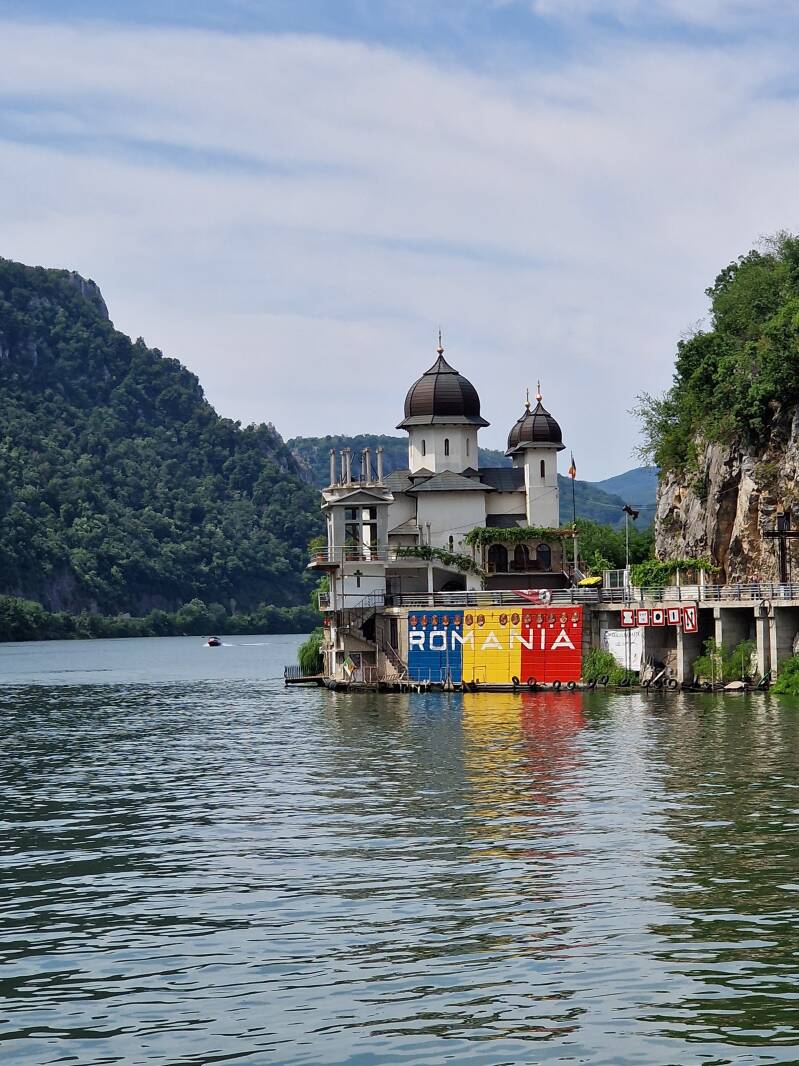
Photos below: Table of Trajanus (left) and the Monastery of Mraconia, beautifully situated by the Iron Gates. The first mention of this Monestery dates back to 1540, when the monastery was built by monks fleeing the Ottomans.
Rock statue of King Decebal
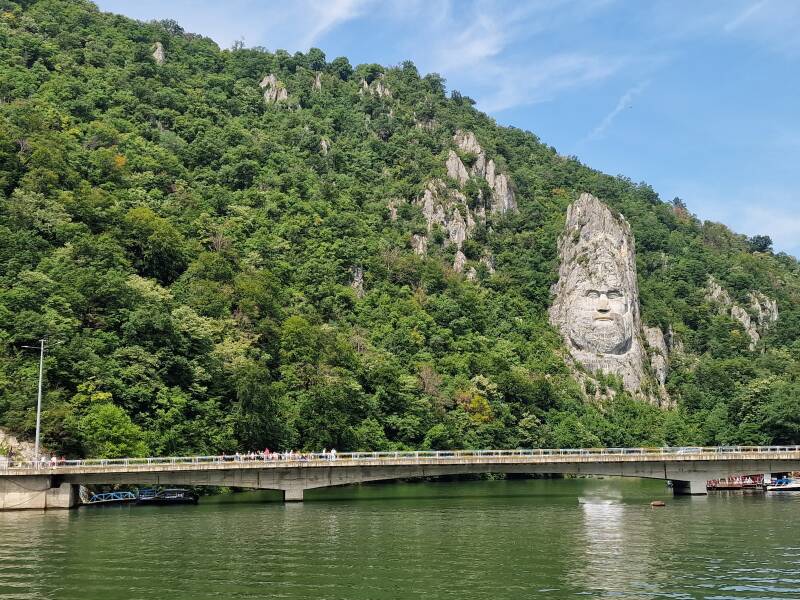
Photos below: